Showing posts with label Rolex DEEPSEA Challenge Watch. Show all posts

Tuesday, November 01, 2022

The New 2022 Rolex Deepsea Challenge in Titanium


NEW 2022 RELEASE

DEEPSEA CHALLENGE


...A New Rolex in Titanium

to Explore the Abyss...


"Explorer, this is Cab Three, starting our descent along the umbilical.
- Roger that, Cab Three. Good luck.
- Luck is not a factor.”

—The Abyss (1989)


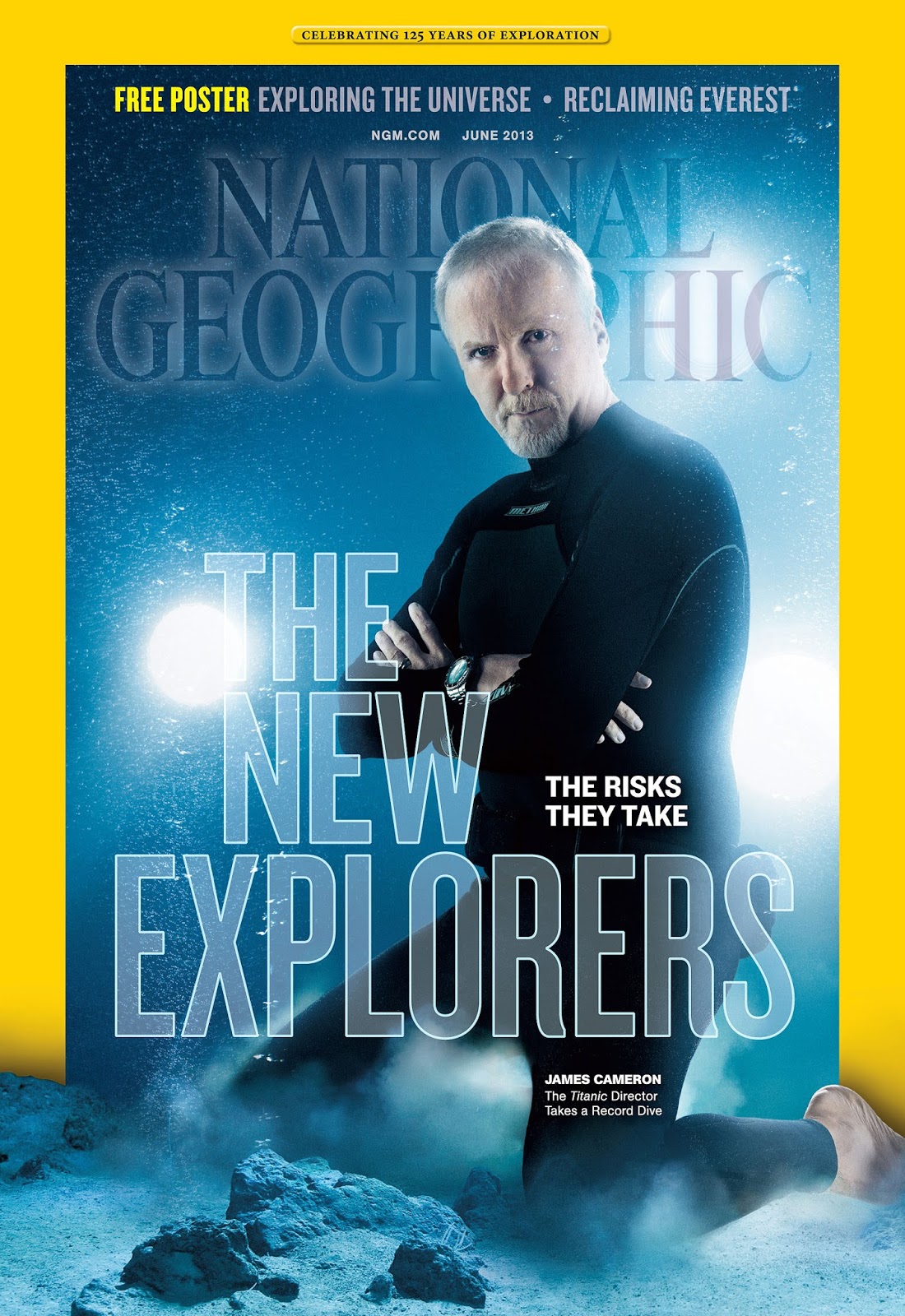
"Luck is not a factor" is probably something Jean-Frédéric Dufour, CEO of Rolex, could say on the immense success his company has had under his tenure. After Omega released the Planet Ocean Ultra Deep in March, and Apple in September introduced us to the Apple Watch Ultra, it's now Rolex's turn to give us their most extreme watch ever offered to the public. It enlisted the help of filmmaker extraordinaire James Cameron.
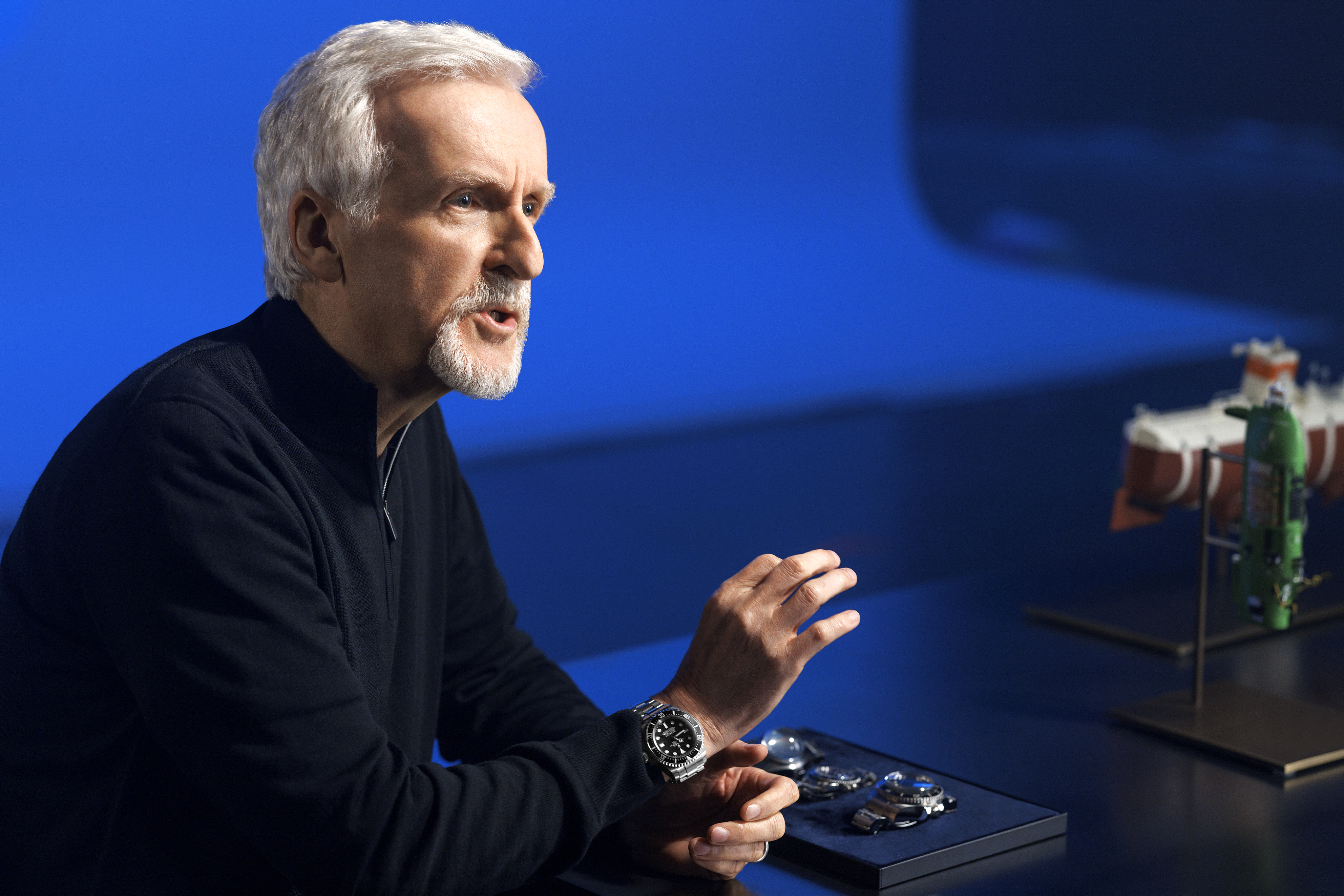
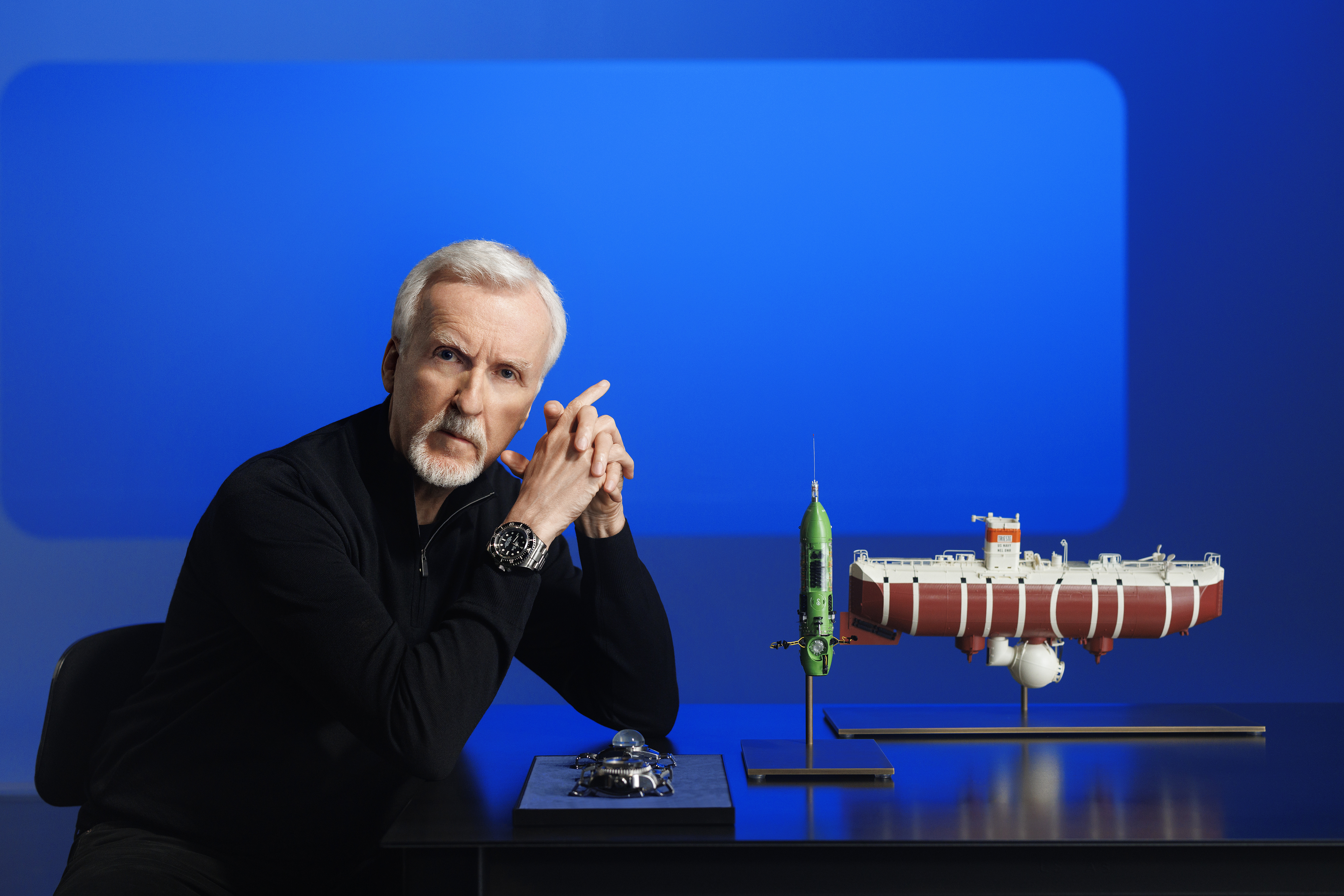


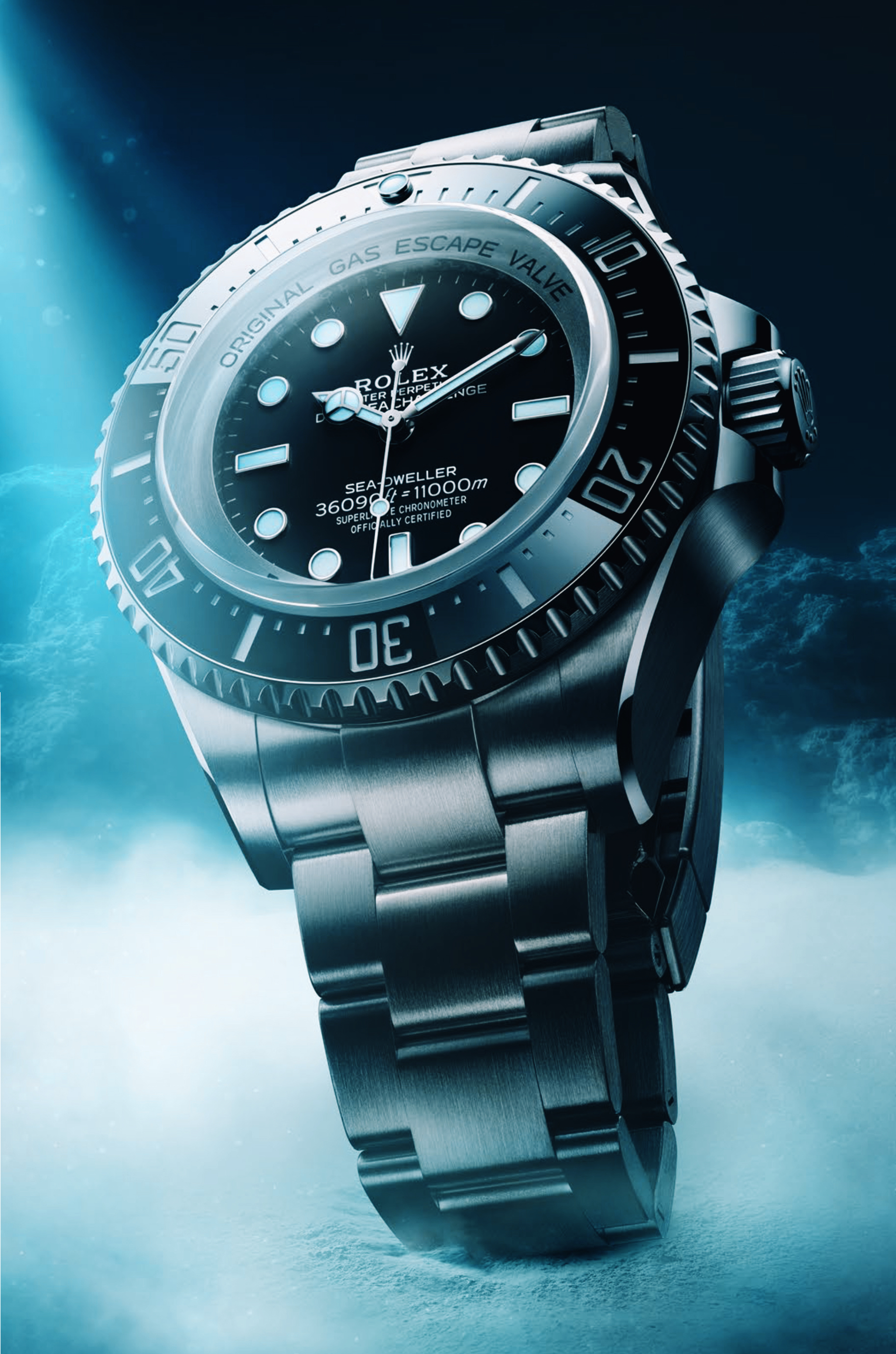
Rolex released today a new Deepsea Challenge in all-titanium, touting the highest depth rating ever on a watch available for sale. At less than two months from the holiday season, this surprise drop feels very much like a Steve Jobs’s “One more thing.” 


Every year when I click through Rolex's website on release day, and perfect renderings of their nouveautées fill my screen, I have to admit, my pulse quickens a bit. As I click on each picture, I am probably making the same wide-eyed face as Mr. Cameron did on March 26, 2012, when he piloted a submersible alone to the bottom of the Mariana Trench, the deepest-known place on this planet. I am discovering something new — the birth of the next-level Rolex watch.

It's highly unusual for Rolex to make a second release event the same year; I can't find any such example in the past decade. So this is something very special. Or it's something we might see done more often in our digital world.


But today's drop can handle the pressure on its own. What we are seeing here is pure Rolex: the narrative is about ocean, dive, adventure, milestones and an Oscar-winning film director turned record-breaking oceanic explorer. He is presenting a watch with the highest depth rating ever to be available to the public: 11,000m (36,090ft). Straight from the headquarters of the most reputable brand in the world.


Water resistance has defined Rolex for almost a century. And, except for the Cellini, the word “Oyster” is now printed on all its dials, indicating your watch has a bezel, case back and crown that are hermetically screwed down against the middle case. Then we heard words like “Twinlock” and “Triplock” crowns, and the “Ringlock” system, innovations to protect further the inside of your watch.


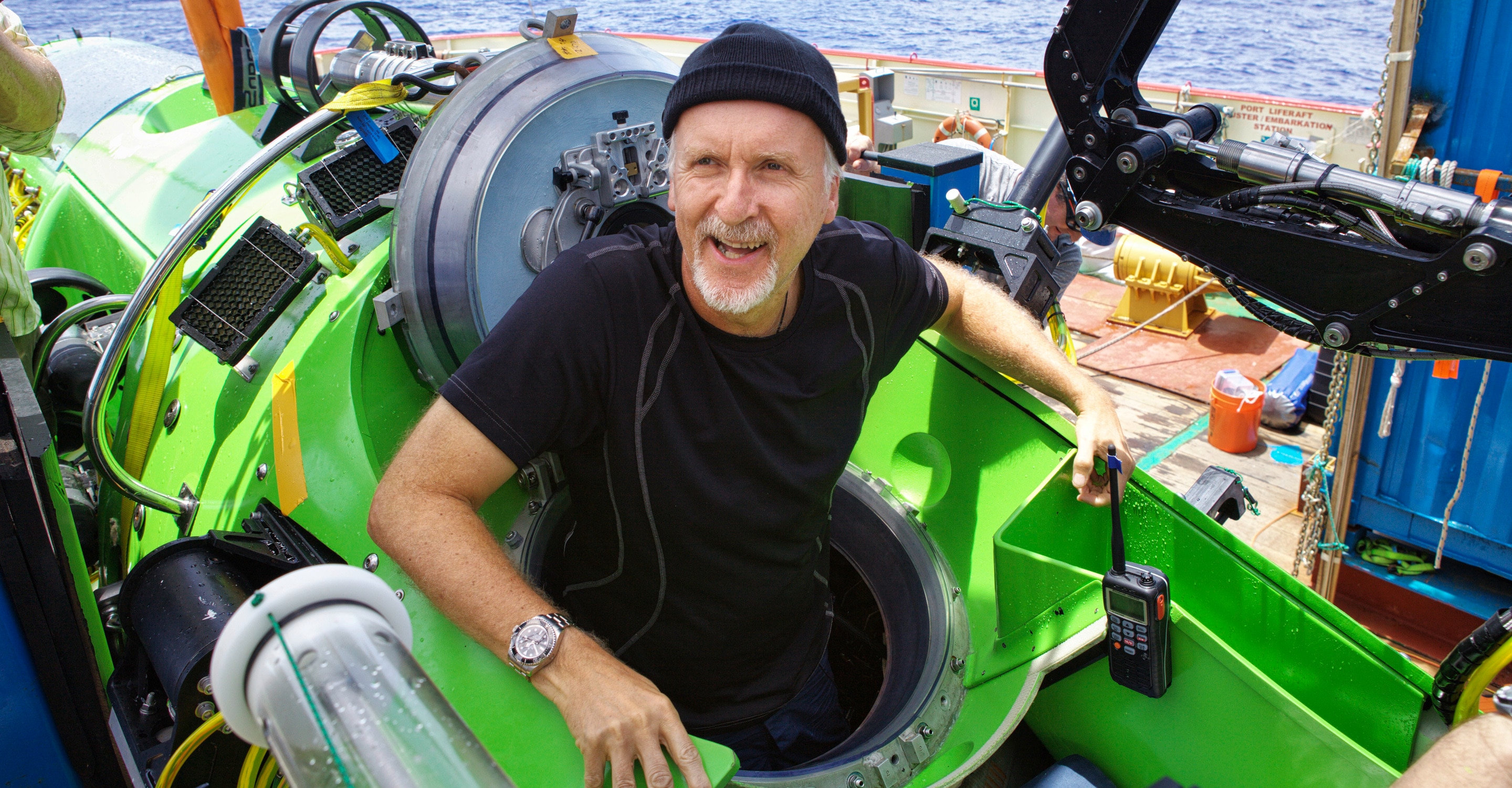

The Rolex Deepsea Challenge unveiled today pays tribute to two historic dives into the Mariana Trench: that of oceanographer Jacques Piccard and U.S. Navy Lieutenant Don Walsh aboard the Trieste in 1960; and James Cameron’s solo descent in DEEPSEA CHALLENGER in 2012. Both expeditions took experimental Rolex watches with them.


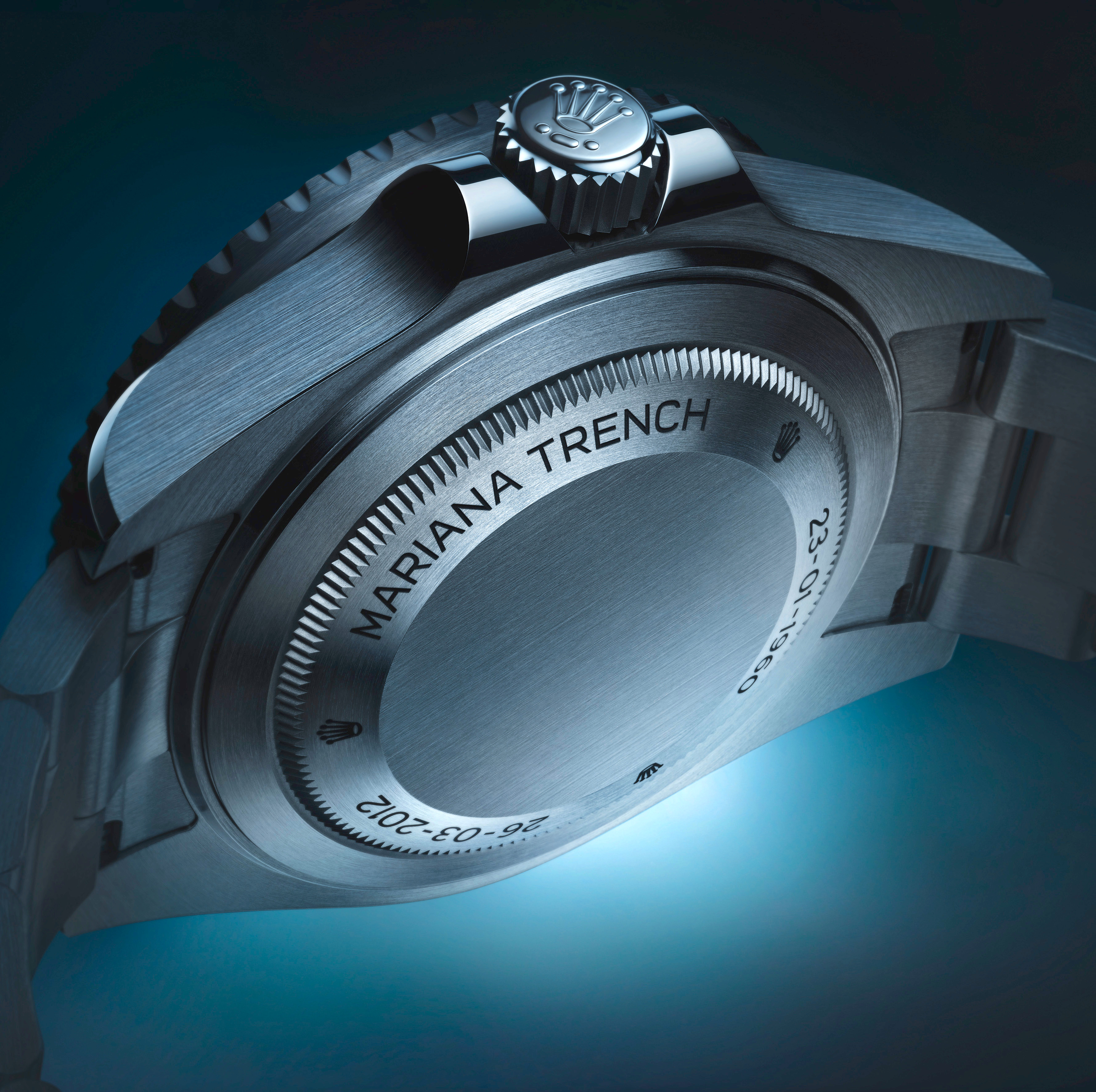
The new Deepsea Challenge is engraved with the words “Mariana Trench” as well as the dates “23-01-1960” and “26-03-2012” on the case back. This is the most a Rolex design has ever paid tribute to its history. Sure, we’ve had “Air-King” in the old-style font or “Sea-Dweller” written in red letters, shy nods to the past. But never had Rolex engraved the case back with a historical reference. It is joining Omega in reminding the world of a watch’s professional accomplishments.


Omega released a watch earlier this year based on an Omega watch that went down to the Mariana Trench with Victor Vescovo in 2019. But the model available for sale to the public does not have nearly the resistance to make a trip down the deepest point on Earth, missing about 5,000m of water resistance. This is why the new version of the Rolex Deepsea Challenge is such a game changer. As Jake phrased it to me, it's the return of the King of the Deepsea. 


But while the Deepsea Challenge attached to the manipulator arm of Mr. Cameron’s submersible in 2012 was rated to an eye-popping 12,000m, I noticed the rating of the 2022 model had been reduced by 1,000m, to 11,000m. I asked Rolex the reason for the change. “The depth of 11,000 meters was chosen to be consistent with that of the Mariana Trench,” Rolex told me. “This choice also made it possible to ensure that the watch would have a reasonable size and guarantee its comfort to wear.” 

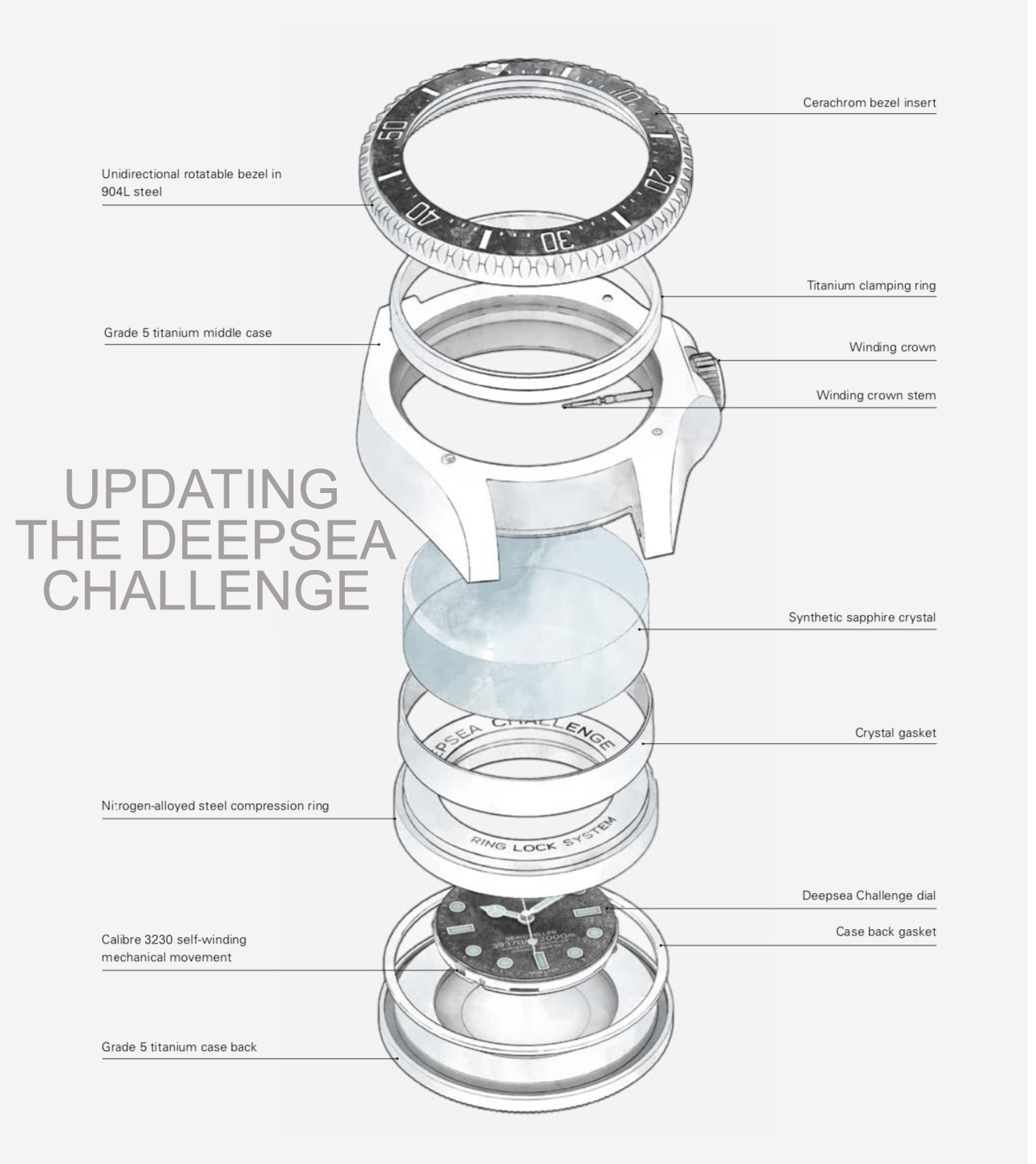
Rolex was able to reduce size and thickness to make it more wearable. The new Rolex Deepsea has a size of 50mm, a reduction of 1.4mm from its 2012 experimental version. 

While Rolex never publishes watch thickness on its website or brochures I was able to get the data straight from Geneva: The thickness of the Deepsea Challenge was reduced from 28.5mm to 23.3mm, or 18%, when compared to the 2012 experimental version.


Rolex also reminded me that the Deepsea Challenge was tested to an additional safety margin of 25%, meaning that it is subjected to a water pressure equivalent to 13,750m. (To test the waterproofness of each Deepsea Challenge, Rolex called an old friend, COMEX, and developed together the ultra-high-pressure tank.)


But the most glaring difference between the old and new version is the absence of a date window on the dial. This is the first watch from the Sea-Dweller family without a date complication. Rolex is using the 3230 calibre with the standard precision of –2/+2 seconds per day. I applaud the symmetry of the dial and more-professional look of the new watch, something I had argued for in September. 

Before I get to the most important part of this release — the alloy used to make the case — I want to quickly mention a design detail in the lugs I have not seen since the five-digit references: chamfers. Chamfers are the polished edges of a lug, and they have been absent in Rolex modern cases. 


Rolex said because this Deepsea in titanium has a particularly visible grain in the satin finish on the case, it made the decision to chamfer and polish the top edges of the lugs to highlight the lugs’ curved profile. The Deepsea Challenge is now the only watch in the Professional line to have chamfers. Will we see more of them in future Rolex models?

The 2022 Deepsea Challenge is the first Rolex available to the public made in titanium, making the watch 30% lighter than the experimental model of 2012. Rolex admitted the experimental watch posed a wearability problem due to its weight, as it was made from 904L. Both case and bracelet of the new Deepsea Challenge are made in grade 5 titanium.


The 2022 Deepsea Challenge reference number is 126067, with the “7” indicating RLX titanium. The last digit of a six-digit reference always indicates the case material, and until today, we were missing a number. Rolex had left the “7” space blank.

0 – Stainless Steel
1 – Everose Rolesor (Stainless Steel and Everose Gold)
2 – Rolesium (Stainless steel and Platinum)
3 – Yellow Rolesor (Stainless Steel and 18k Yellow gold)
4 – White Rolesor (Stainless Steel and 18k White gold)
5 – Everose
6 – Platinum
7 – RLX Titanium
8 – 18k Yellow gold
9 – 18k White gold

A year ago I spotted competitive sailor Sir Ben Ainslie wearing a titanium Yacht-Master prototype and contacted Rolex and Sir Ainslie about it. But I was disappointed to see no titanium Rolex announced in the following Watches & Wonders. Today’s drop from Rolex was so important and held so many firsts the Maison did not want to dilute it with other releases. Watches & Wonders 2022 was about the air — the Air-King and the GMT-Master II with the crown on the left. 


Mr. Cameron is a month away from releasing the long-awaited sequel to “Avatar,” which heavily features underwater scenes. “Avatar: The Way of Water” is due in theaters Dec. 16, 2022, 13 years after the first installment. 



Why did he take him so long? Mr. Cameron told The New York Times he was "blowing off the movie for a few years while indulging his passion for deep-sea exploration." That's when he went down to the Mariana Trench, in 2012. Sigourney Weaver, one of the main characters in "Avatar," said she and the rest of the cast were concerned for his safety though maybe for selfish reasons. 


“We kept thinking, ‘I hope he survives to make a new movie,’” she told the Times. 

If Mr. Cameron is nominated for an Oscar, we'll see him again in March at the 95th Academy Awards in a familiar pose: A trophy in one hand, a Rolex on the wrist. 


Rolex told me the 2022 all-titanium Deepsea Challenge will be available for sale at launch and carry a price tag of $26,000.


Monday, October 24, 2022

The Feud Between James Cameron and Victor Vescovo


REACHING NEW LOWS


THE FEUD BETWEEN
 
JAMES CAMERON

AND VICTOR VESCOVO

...or is it Rolex vs. Omega?


In April of 2019, a former Naval officer and rich investor from Texas, Victor L. Vescovo (above), piloted a submersible into the Challenger Deep, the deepest point known on Earth. 

It was the same Deep visited by James Cameron in 2012 and Don Walsh and Jacques Piccard in 1960.


Don Walsh and James Cameron posing with the Rolex that went to the Challenger Deep on their respective dive.


But Mr. Vescovo declared his dive the deepest ever by a human, 52 more feet than Mr. Cameron's. Global headlines followed. The Guinness Book of World Records acknowledged the achievement. The record depth was given “10,925 m (35,843 ft), with a standard deviation of 4.1 m.” 


CEO of Omega Raynald Aeschlimann with Victor Vescovo.


And Omega, which had strapped a watch to Mr. Vescovo’s submersible, now claimed to have built the timepiece that has gone the deepest, taking the record away from Rolex.


Hearing about Mr. Vescovo's new record, James Cameron called The New York Times from New Zealand, where he was filming an “Avatar” sequel. He asked to be interviewed. According to the Times, the initial email from Mr. Cameron read, “Request to Speak.”


Mr. Cameron told the Times the Challenger Deep is “flat and featureless.” 

“[Mr. Vescovo's] gauge may read differently from mine, but he can’t say he’s gone deeper.” 

Mr. Cameron says it's like an Everest climber claiming to have gone higher than another mountaineer even though both reached the same summit. 


In 2009, the Woods Hole Oceanographic Institution sent down a robot to explore the Challenger Deep. The leader of the robot team, Andy Bowen, would later confirm Mr. Cameron's assertion: “It was like being on the Bonneville Salt Flats,” Mr. Bowen said.


"I put my hand up when I saw it becoming a matter of public fact without discussion in the media or science community," Mr. Cameron told Newsweek in Sept. 2019. "But what Mr Vescovo's group reported and what I witnessed in 2012, are two different things. He says he found a deeper hole in the bottom of the ocean. I say it's flat down there, impossible to dive deeper."


So for Mr. Cameron the question is not who went the deepest but who measured it more accurately. 


To give an idea of just how deep this region of the seafloor is, if Mount Everest were picked up and placed in the Challenger Deep, the summit of the world’s highest mountain would still sit more than 2 km (1.3 mi) beneath the ocean surface. When Mr. Vescovo made his expedition, he was just the fourth man to do so. Fewer people had gone to the Challenger Deep than to the Moon.

In my research for this story, I found a May 2019 interview with Newsweek in which Mr. Vescovo mentions the flatness of the Challenger Deep: "The bottom was a flat, beige basin of sorts with a very thick layer of silt," Mr. Voscovo said. "There were some small, translucent animals that gently undulate to move about—but there was definitely life at the very bottom of the ocean, it was not dead by any means." 


Working out precise ocean depths is never easy. The Challenger Deep is too deep for any kind of GPS signal to be received. Depth readings are calculated from special sensors that measure factors such as water pressure, salinity and temperature. 

But to convert pressure to depth, you need to know the water density over the full water column and also the local value of gravity, which varies by about half a percent over the surface of the Earth, according to scientists. 


Picture from Victor Vescovo's Twitter showing the flat bottom of Challenger Deep.


The other way to measure depth is using sonar, but that comes with its own complications: The idea is to ping the sea floor with sound while timing how long it takes for the signal to get back to the boat. You have to know the temperature along the path to get an accurate reading, because sound travels faster through warmer water. The path to the Challenger Deep, by one measure, goes from warm to icy to warm again. The ping would also have to go through many layers of seawater of differing composition.


The instruments being used to take measurements are constantly evolving; technology has come a long way since 1960, and in some aspects, even since James Cameron's dive in 2012. 

In 2014, four scientists at the University of New Hampshire reported on a Challenger Deep measurement. They put the margin at plus or minus 25 meters, a total range of 164 feet. Each depth measurement, they added, represents “at best an estimate.” 

Finally, Mr. Vescovo was interviewed by The New York Times. He first praised Mr. Cameron as “a visionary pioneer of deep exploration.” He also said his own team had adopted some of Mr. Cameron’s technical innovations.


“I have enormous respect for him,” Mr. Vescovo said. “On this point, however, I scientifically disagree.” While Mr. Vescovo’s gear was far newer and more accurate at gauging oceanic depths, he said he had also identified a slightly deeper area.


Who is right? And is Rolex okay with the claim it was bested in the world's deepest dive? We might never know. But the financial support traditional watchmakers have made to explorations through the years—whether for the sake of discovery or to find ways to better conserve the planet—that alone is enough to be lauded.


Monday, September 19, 2022

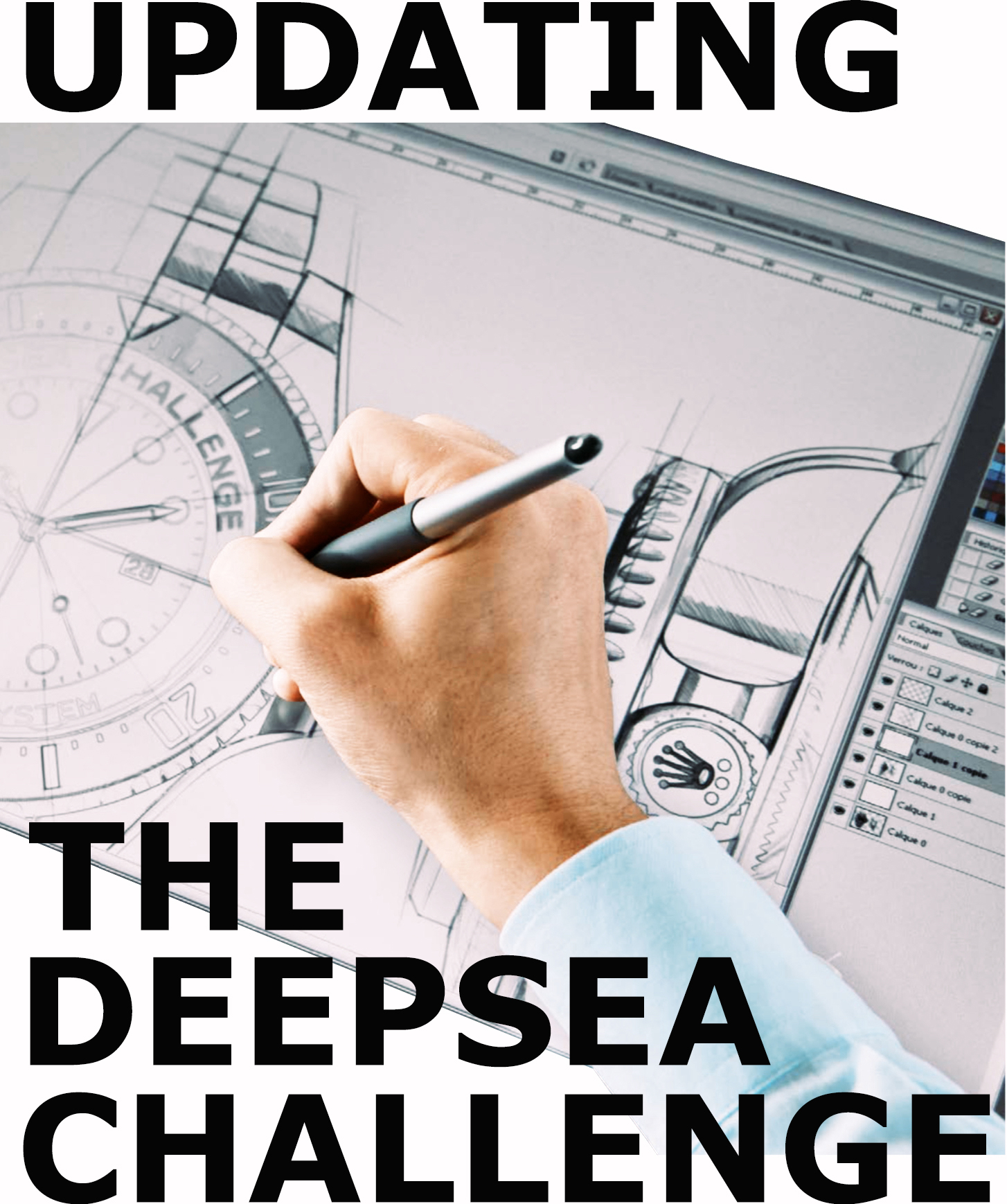
Updating the Deepsea Challenge


ROLEX SHOULD MAKE ITS MOST

CAPABLE WATCH EVEN BETTER


In 2012, when James Cameron landed at the bottom of the Mariana Trench, the Earth's deepest abyss, he looked at the manipulator arm of the submersible he singlehandedly piloted and saw the Rolex Deepsea Challenge ticking. 

"Oh, I see the second hand going!" he said out loud. "Yeah baby, we are good! We have us a working watch!!!"


HMS CHALLENGER

This year marks 10 years since Cameron's historic dive to the Mariana Trench. But 2022 marks also 150 years since the HMS Challenger left on the scientific mission that first discovered the deepest point on the planet where Cameron landed his submersible—a spot aptly named "Challenger Deep," after the British vessel.


The 12,000-meter-rated Rolex watch attached to the outside of Cameron's submersible is now a decade old and should be updated.


POST-DIVE, CAMERON CHECKS ROLEX TIMEKEEPING


Since 2019, Omega on its website is claiming the No. 1 spot from Rolex: Omega says its Planet Ocean Ultra Deep Professional holds the record for the deepest dive. In 2019, Victor Vescovo piloted his submersible to the deepest point on planet Earth after having sonar-mapped the ocean floor to find the deepest spot in the Mariana Trench, deeper than Cameron's landing spot, according to depth measurements of that day. The Planet Ocean strapped to Vescovo's submersible had been tested in Omega's labs to 15,000m. 


11,900M MORE OF WR THAN THE APPLE WATCH ULTRA


A decade ago, when Rolex watchmakers were testing Cameron's Deepsea Challenge for the first time in the so-called "Mariannes" tank inside Rolex labs in Switzerland, the tension in the room was palpable. The design engineers, watchmakers and several other people involved in the project had gathered to attend the test. And when the watch came out of the tank unscathed, everyone burst into applause, a rare display of emotions for the cool-and-collected, buttoned-up Swiss company.


DEEP SEA SPECIAL (L) & DEEPSEA CHALLENGE (R)

To be sure, in 1960, another experimental Rolex, the Rolex Deep Sea Special, was attached to the exterior of the bathyscaphe Trieste piloted by U.S. Navy Lt. Don Walsh and oceanographer Jacques Piccard reaching a record depth of 10,916m. But it looked nothing like Cameron's Deepsea, which had all the updated technology, complete with a ceramic bezel, sapphire crystal and Rolex's 3135 movement.
 
Now Rolex should update further its 2012 record-setting watch. 


For starters, the watch should be equipped with the new, state-of-the-art 3230 movement, a no-date movement which is a departure from Cameron's Deepsea Challenge. No one really needs to know what date it is at 10.9km below the surface, where the bigger concern is being crushed by the pressure equivalent of six SUVs piled on top of your Rolex. Design-wise the no-date choice makes the watch dial more balanced and more pro-looking. Omega's Planet Ocean Ultra Deep Professional also eschews a date complication.


The new watch should be made entirely from titanium. A year ago, I wrote about Sir Ben Ainslie's Rolex Yacht-Master prototype in full titanium which has yet to be commercialized. Cameron's watch in 2012 was built with the heavier 904L steel and a case back in titanium. Still, the new Deepsea Challenge should be updated with the full case in ultra-resistant Grade 5 titanium.


The Swiss watchmaking industry is competing against the biggest watch seller of our days—Apple—with the four pillars untouched by smartwatches: 

1. Timelessness. Rolex uses the word "perpetual" while Patek talks about watches lasting generations. 
2. Cosplay. Whether it's a watch worn on the Moon, by James Bond, aviators, or in ocean's greatest depths. 
3. Heritage. Faux patina, model reissue, or just a red text saying "Sea-Dweller." Rolex's historical arc, beginning in 1905, is unmatched. 
4. Luxury. Two-tone Explorer, Rootbeer GMT, Bluesy Sub or meteorite-dial Daytona, luxury watches are still men's jewelry—a domain hardly touched by smartwatches.

While the Deepsea Challenge has timelessness, cosplay and luxury (it's a Rolex after all), it does lack the heritage angle essential to the four pillars of today's mechanical watch marketing. I would add a throwback James Cameron gradiant blue dial or a commemorative engraving on the caseback à la Speedmaster.


THIS WATCH DOESN'T EXIST

Either way, the Deepsea Challenge is an important watch in the history of watchmaking and in the history of exploration. After 1960 and for more than half a century, the Rolex Deep Sea Special remained the only watch to be tested at the deepest ocean floor in real life conditions. When James Cameron made his historic dive, fewer people had gone to the deepest point of the ocean than to the Moon. It's time for Rolex to update its Deepsea Challenge and reclaim the title of King of the Deep.